Street closure fines for Hammersmith removals in W6
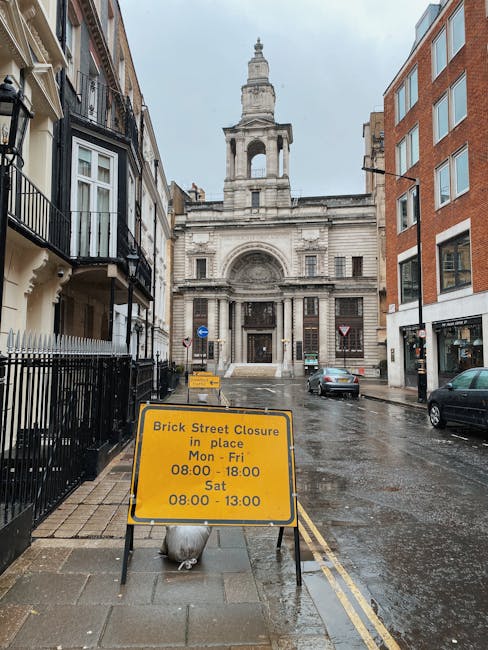
If you are planning a move in W6, street closure fines can turn a straightforward removal into an expensive headache very quickly. Street closure fines for Hammersmith removals in W6 usually come into play when a road, bay, loading space, or access route is used without the right permission, or when the move creates a blockage that could have been planned around. In a busy part of West London, that matters more than people expect. One missed detail, and the whole day can tilt off balance.
This guide explains what street closure fines actually mean in a removals context, how they tend to arise, who needs to think about them, and how to reduce the risk before moving day arrives. You will also find practical steps, a comparison table, common mistakes, and a simple checklist you can use even if the moving date is already looming.
- Why street closure fines matter
- How it works in practice
- Key benefits of planning ahead
- Who this is for
- Step-by-step guidance
- Expert tips
- Common mistakes to avoid
- Tools, resources and recommendations
- Law, compliance and best practice
- Options and comparison
- Real-world example
- Practical checklist
- Conclusion
- Frequently asked questions
Why Street closure fines for Hammersmith removals in W6 Matters
Let's face it: moving day in Hammersmith is rarely quiet. Narrow streets, loading pressure, residents trying to get out, delivery vans double-parked for two minutes that somehow become twelve. In that kind of environment, a removal job needs more than strong backs and a decent van. It needs proper access planning.
Street closure fines matter because they are often a symptom of something earlier going wrong. Maybe the vehicle was placed where it should not have been. Maybe there was no parking dispensation. Maybe a road restriction, temporary suspension, or access issue was overlooked. In practice, that can lead to penalties, delay costs, frustrated neighbours, and an awkward conversation with the removal crew before the first box is even out of the hallway.
For homeowners, tenants, landlords, and businesses in W6, the financial impact is only part of the story. A fine can trigger knock-on costs: extra labour time, missed building access windows, rebooking charges, and stress that could have been avoided with a bit of planning. Not glamorous, but very real.
There is also a reputational side for anyone organising a move professionally. If you are a landlord turning over a flat, an office manager moving a team, or a homeowner with a tight completion window, access issues make everyone look disorganised. Nobody wants that. A smooth street-side setup gives you breathing room. It sounds simple, but in removals simple is often what saves the day.
Expert summary: the cheapest way to deal with street closure fines is usually not to deal with them at all. Early access planning, clear communication, and the right vehicle setup are far less costly than sorting out a penalty after the fact.
How Street closure fines for Hammersmith removals in W6 Works
Street closure fines for removals are not one single thing. In reality, they usually sit at the intersection of parking control, traffic management, and local access rules. The exact issue can vary depending on the road, the time of day, and what kind of restriction applies where you are moving from or to.
Here is the plain-English version: if a removal vehicle is placed in a restricted location, or if a planned move interferes with traffic flow or pedestrian access without authorisation, a penalty may follow. That might be linked to parking enforcement, obstruction, or permission to use the road space in a particular way. Sometimes it is the vehicle itself that causes the problem. Sometimes it is the whole move setup - a ramp out onto the pavement, boxes stacked in a shared access path, or a van parked in a loading area longer than allowed.
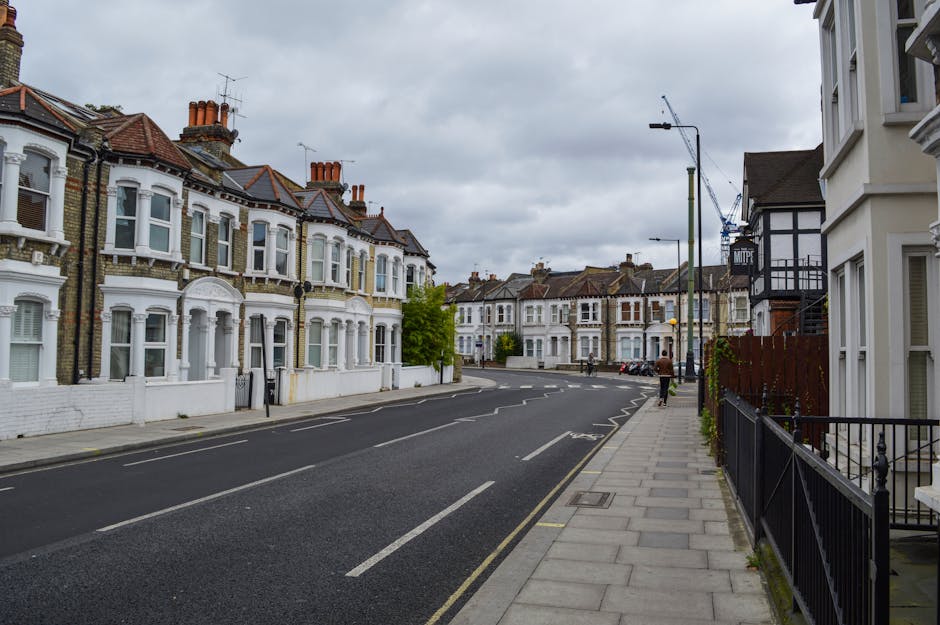
In W6, this matters because the area includes busy residential streets, mixed-use roads, and places where access is tight at the best of times. A move near a main route is not the same as a move on a quieter side street. The risk profile changes. So does the amount of planning you need.
For a typical removals job, the practical flow looks like this:
- The mover checks access conditions for the property and road.
- A suitable vehicle is chosen, sometimes a smaller van if the street is tight.
- Loading and unloading points are planned in advance.
- Any parking permissions or restrictions are considered before the booking is confirmed.
- On the day, the crew works to keep the vehicle positioned safely and within the agreed arrangements.
That process sounds obvious, yet it is exactly where problems creep in. Someone assumes there will be space. Someone else assumes "it'll be fine for twenty minutes." Then the clock starts, traffic builds, and the fine comes later. A bit mundane, yes. Also expensive.
It helps to think of a move like a short-term logistics event rather than a simple van hire. If your removal is being handled by a broader service provider, pages such as removal services and man with van can give you a sense of how different move types are typically arranged. That broader context matters when access is the issue, not just the boxes.
Key Benefits and Practical Advantages
Planning around street closure fines is not just about avoiding penalties. It has a few very practical benefits that make the entire move calmer and more efficient.
- Lower risk of unexpected costs. A fine is rarely the only cost. Delays often create extra labour or vehicle time too.
- Faster loading and unloading. When the vehicle can stop in the right place, the crew moves better. Less carrying, less waiting, fewer awkward pauses.
- Less stress for residents and neighbours. Good access planning makes you look considerate, which helps in busy terraces and shared blocks.
- Better timing on completion day. If keys are late or access windows are narrow, having street arrangements sorted gives you a cushion.
- Reduced damage risk. Long carries from a distant parking spot increase the chance of bumps, scuffs, and tired mistakes.
There is a quieter advantage too: you simply feel more in control. Truth be told, moving already feels like a lot. Any small certainty is welcome. When the van arrives and the route is clear, the day suddenly feels manageable.
That is especially useful for home moves, flat removals, and jobs where the property is on a narrower W6 street with limited frontage. If you are also dealing with packing, storage, or a staggered handover, those extra moving parts can make access planning even more valuable.
Who This Is For and When It Makes Sense
This topic is relevant to far more people than you might think. It is not just for large-scale relocations or commercial moves with multiple vans. In fact, some of the trickiest street access problems happen on very ordinary domestic jobs.
You will want to think carefully about street closure fines and access permissions if you are:
- moving out of or into a terraced house in W6
- relocating from a flat with a narrow entrance or shared hallway
- moving into a building with controlled access or timed entry
- organising a business move where the street cannot be blocked for long
- dealing with a same-day completion, tenancy change, or short notice move
- moving large or awkward items like wardrobes, white goods, or a piano
It also makes sense for people who know the street is already awkward. Maybe the parking is scarce. Maybe buses pass close by. Maybe the pavement is narrow and the loading point is never straightforward. In those situations, you do not need guesswork. You need a plan.
If you are arranging a more specialised move, services such as piano removals, office removals, or furniture removals can be useful to review because they tend to require more careful loading and clearer street positioning. Bigger items make a small access issue feel twice as large. Funny how that works.
If the job is simple and the street is quiet, you may not need much beyond a standard booking and a sensible vehicle. But if the route is tight, residents are sensitive to blockage, or there is a time restriction, it makes far more sense to treat access as a key part of the moving plan.
Step-by-Step Guidance
Here is a practical way to approach street closure risk before a removal in W6. It is not complicated, but it does reward attention.
1. Check the property access properly
Look at the street, not just the front door. Is there enough space for a van to stop safely? Is the entrance on a corner? Are there yellow lines, bays, loading restrictions, or narrow turning points? If you can, look at the street at the same time of day as the move. A road that seems fine at 10 a.m. can feel very different at school run time or when local traffic builds.
2. Match the vehicle to the location
Choosing the right vehicle matters. A smaller van may be better than a larger truck if the road is tight or parking is limited. That is one reason some people choose removal van or man and van arrangements for W6 moves where access is the real challenge. The goal is not to impress the street with a giant vehicle. The goal is to complete the move cleanly.
3. Confirm parking or loading arrangements early
Do not leave this to the morning of the move. If a loading bay, dispensations, or other local permission may be needed, check what applies well ahead of time. Even if the move is small, the busiest streets do not always forgive last-minute planning.
4. Build in a timing buffer
Give yourself more time than you think you need. A lift delay, a key handover issue, or a neighbour's car parked in the wrong place can slow everything down. A buffer helps protect the schedule and lowers the chance of pressure-driven mistakes.
5. Share access details clearly
Tell the removals team about narrow roads, restricted turns, shared entrances, or anything awkward about the street. If there is a particular doorway, service entrance, or back access route, say so. The crew cannot use information they do not have.
6. Keep the loading area tidy and ready
Clear what you can before the van arrives. A tidy pavement approach and a ready stack of boxed items can save surprising amounts of time. It also reduces the chance that someone blocks the wrong thing while trying to move fast. We have all seen it happen. Boxes, tape, a half-open cupboard, a jumper on the banister. Little things pile up quickly.
7. Stay flexible on the day
If the street conditions change, adapt. It may be better to unload in shorter runs, move the van a little further away, or adjust the sequence of items. Small changes are usually easier than dealing with a penalty or an angry resident.
That is the basic rhythm. Check, match, confirm, buffer, share, tidy, adapt. Nothing flashy, but it works.
Expert Tips for Better Results
In our experience, the jobs that go smoothly are usually the ones where somebody asked the awkward questions early. Here are a few tips that make a real difference.
- Walk the route from van to front door. Count steps, corners, kerbs, and awkward thresholds. If it feels long on foot, it will feel longer carrying a sofa.
- Think about weather. Wet pavement, early darkness, or a windy day can slow loading and make street positioning feel tighter.
- Use clearer box labels than you think you need. When the van can only stop for a short time, fast identification keeps the whole process moving.
- Ask about building rules. Some blocks have time slots or lift protection requirements. Street access and building access need to work together.
- Keep a backup plan. A nearby alternative loading point can save the day if the original spot is unavailable.
One tiny but useful tip: if you are moving early in the morning, check the street the evening before. A van parked in the only sensible spot can turn a simple plan into a messy scramble by sunrise. It happens. More than you would think.
If you are comparing moving support options, removals and house removals pages can help you think through whether you need a broader service, a small team, or simply a vehicle with the right flexibility for the street.
Common Mistakes to Avoid
Most problems around street closure fines come from assumptions. Not bad intentions. Just assumptions. Here are the most common ones.
- Assuming there will always be space outside the property. In W6, that is often the first assumption to fail.
- Leaving parking arrangements to the moving day itself. By then, you are already under pressure.
- Using a vehicle that is too large for the street. Bigger is not always better, especially in residential roads.
- Ignoring loading time limits. A quick stop can become a penalty if the job runs longer than expected.
- Forgetting about shared access or neighbours. A move can cause friction if the street becomes obstructed without warning.
- Not telling the crew about awkward access. The team may arrive prepared for one type of move and find another entirely.
One less obvious mistake is treating a low-cost move as if access planning is optional. It is not. Even a small job can create street pressure if the van has nowhere sensible to sit. Cost does not equal simplicity.
Another one: not checking whether a "helpful" parking spot is actually allowed. The place that looks perfect is sometimes exactly where restrictions bite hardest. Annoying, yes. Very urban, also yes.
Tools, Resources and Recommendations
You do not need a fancy toolkit to avoid street closure issues, but a few practical items and habits help enormously.
| Tool or resource | Why it helps | Best use |
|---|---|---|
| Measuring tape | Helps you judge gaps, hallway widths, and doorway clearance | Before booking and on move day |
| Phone camera | Creates a quick visual record of access, street layout, and awkward points | When briefing the removals team |
| Box labels and marker pens | Saves time during unloading and reduces confusion | When time at the kerb is limited |
| Booking notes | Keeps access details, timings, and instructions in one place | From first quote to final unload |
| Backup contact number | Useful if the crew needs to reach you about access or timing | On the day of the move |
For anyone comparing move planning options, it can also help to look at information on pricing and quotes. That way, you can check whether access complexity is likely to affect the cost before you commit. If the job involves extra handling, long carries, or tighter vehicle choices, it is better to know upfront than discover it mid-move.
Depending on your situation, useful supporting services may include packing and boxes, packing and unpacking services, or storage. These can take pressure off the move itself, which in turn reduces the chance of a rushed, messy street-side setup.
And yes, sometimes the best resource is simply a quiet five minutes at the kerb before the move starts. Stand there. Look both ways. See what the street is really doing.
Law, Compliance, Standards, or Best Practice
When street closure fines are mentioned, people often want a hard rulebook answer. Fair enough. The reality is that road use, parking restrictions, loading rules, and temporary access permissions can vary depending on the exact street and local arrangements. Because of that, it is sensible to treat compliance as a practical planning issue rather than assume one simple rule covers every W6 move.
Best practice usually includes the following:
- checking the access conditions for the property and street before the move
- making sure the vehicle is appropriate for the location
- avoiding obstruction of traffic, pedestrians, or neighbours' access
- keeping to any time limits or special instructions that apply to the move
- using clear communication between the mover, customer, and crew
If your move involves a commercial premises, the standard rises a bit. Businesses should be especially careful not to block customers, service access, or emergency routes. For that reason, commercial moves and office relocation services usually need a tighter access plan than a simple domestic move.
It is also worth mentioning that insurance and safety matter here. The right move setup helps protect people and property, but it does not remove the need for proper handling, safe lifting, and careful driving. You can review the general approach through the site's health and safety policy and insurance and safety information if you want a clearer sense of how safety is handled overall.
Best practice is not about being overly cautious. It is about avoiding predictable problems. There is a difference, and it matters.
Options, Methods, or Comparison Table
If you are deciding how to manage a W6 move where street restrictions may matter, the right option depends on the street layout, amount of furniture, timing, and how much flexibility you need. This table gives a practical comparison.
| Approach | Best for | Advantages | Limitations |
|---|---|---|---|
| Small van / flexible access setup | Tight streets, flats, short local moves | Easier parking, easier manoeuvring, often less stress | May need more trips if the load is large |
| Standard removals truck | Homes with better frontage or simpler access | Efficient for larger loads, fewer journeys | Can be awkward on narrow or restricted streets |
| Same-day or rapid move | Urgent tenancy deadlines or late changes | Quick turnaround, useful in a pinch | Less time for fine-tuning access details |
| Self-managed move with hired vehicle | Smaller jobs and confident organisers | More control, sometimes lower overall cost | You carry the planning burden yourself |
If access is the main concern, smaller and more flexible often wins. If volume is the main concern, efficiency may matter more. And if the move is urgent, you need a method that leaves room for the unexpected. That is usually where the road starts to matter more than the room count.
For some readers, a more agile service such as same-day removals or student removals may be a better fit, simply because those moves are often smaller, quicker, and easier to position close to the property.
Case Study or Real-World Example
Picture a typical W6 flat move on a weekday morning. Nothing dramatic. A third-floor flat, a narrow road, a few bulky items, and a moving deadline tied to key collection. The resident assumes the van can stop right outside for a short while. It looks fine at first glance, but the street is tighter than expected and nearby parking fills up quickly.
Because the access was checked early, the removal crew uses a smaller vehicle and plans a loading point a little further along the road. That means the team does not have to improvise under pressure. Boxes are moved in sensible batches, the bigger furniture is loaded first, and the route is kept clear. There is still a bit of hustle, naturally. Moving always has a little hustle in it. But the day stays controlled.
Now imagine the same move without that planning. The van arrives, a parking spot is unavailable, the crew has to wait, neighbours start asking questions, and the clock keeps running. Even if no fine is issued immediately, the risk rises fast. That is the pattern most people notice too late. Not the fine itself first - the delay, the tension, the missed handover.
The lesson is simple: the best outcomes usually come from small decisions made before moving day. It is rarely about one heroic fix. It is about five sensible ones in a row.
Practical Checklist
Use this checklist before your W6 move. It is straightforward, but it catches a lot of avoidable mistakes.
- Confirm the exact moving date and time window.
- Check whether the street has parking, loading, or access restrictions.
- Measure the frontage, doorway, and any awkward turns.
- Decide whether a smaller vehicle would be more suitable.
- Tell the removal team about narrow roads, stairs, or shared entrances.
- Prepare labels, packing materials, and key items in advance.
- Keep a backup plan in case the first loading spot is unavailable.
- Make sure everyone involved has the same timing and access details.
- Review safety and insurance information if valuable or fragile items are involved.
- Leave extra time for delays, especially on busy London streets.
If you can tick most of those off, you are already ahead of the game. Honestly, that is half the battle.
Get a free quote today and see how much you can save.
Conclusion
Street closure fines for Hammersmith removals in W6 are best understood as a warning sign: the access plan was not quite right. The good news is that this is usually fixable with simple preparation. Check the street, choose the right vehicle, speak clearly about access, and give yourself a buffer. Those small steps can save time, money, and a lot of stress on moving day.
For many people, the biggest relief comes from knowing the move will not be derailed by a parking issue or a blocked street. That quiet confidence changes everything. You can breathe a little easier, keep the day moving, and focus on settling in rather than firefighting.
And if the moving day feels a bit like it is coming at you sideways, that is normal. Take it one practical step at a time. The street will be busy, the kettle will probably be buried in a box somewhere, but with the right plan, you will still get there.
Frequently Asked Questions
What do street closure fines mean for a removals job in W6?
They usually refer to penalties or charges linked to using a street, loading area, or parking space in a way that breaks local restrictions or causes an obstruction during a move. In removals, the issue often comes down to access planning rather than the boxes themselves.
Can a removals van be fined just for stopping outside my property?
Yes, if the stop is not allowed under the local rules or if the van is parked in a restricted or obstructive position. The exact outcome depends on the street, the markings, and the circumstances on the day.
How can I reduce the risk of fines during a Hammersmith move?
Check access in advance, choose an appropriate vehicle, confirm any loading arrangements, and share clear instructions with the removals team. A little advance planning goes a long way here.
Do I need special permission for street access on moving day?
Sometimes, yes, depending on the street and what kind of access is needed. If your move is likely to involve limited parking, road use, or loading in a tight area, it is sensible to check early rather than assume it will be fine.
Are smaller vans better for W6 removals?
Often they are, especially where roads are narrow or parking is limited. A smaller vehicle can make loading easier and reduce the risk of access problems. It is not always the answer, but it is often worth considering.
What if the street is blocked when the van arrives?
If the street is unexpectedly blocked, the team may need to wait, move to an alternative spot, or adjust the loading plan. That is one reason a backup access option is so useful.
Will access issues increase the cost of my move?
They can, because extra time, longer carrying distances, or a change of vehicle may affect the job. That is why access details should be discussed before the quote is finalised.
Does a flat move face the same risks as a house move?
Not exactly. Flats often create different access challenges, especially in blocks, side streets, or buildings with shared entrances. Houses may have easier internal access but still run into street-space problems. Both need checking.
What should I tell the removals team before the job?
Tell them about the street layout, parking restrictions, stairs, shared entrances, narrow turns, and any time limits. If something feels awkward, mention it. It is better to over-explain than leave them guessing.
Is same-day moving more likely to create access problems?
It can be, simply because there is less time to plan and fewer options if the first loading point does not work out. That does not mean same-day moves are risky by default, but they do reward clearer preparation.
What is the safest approach if I am unsure about street rules?
Use the most cautious practical option: check the street, keep the vehicle choice flexible, and avoid relying on a best-case assumption. If there is any doubt, build in more time and ask for a move plan that accounts for limited access.
Where do furniture or bulky-item moves fit into this?
Bulky-item moves need more space, so they are more sensitive to street access and parking restrictions. A sofa, wardrobe, or piano can turn a tight road into a real bottleneck quite quickly.
What is the single biggest mistake people make?
Assuming there will be enough space on the day. That one assumption causes a surprising number of problems, from delays to avoidable fines. Checking early is boring, perhaps, but it is effective.